Loading...
Serving Port Arthur, TX and surrounding areas. (409) 217-6028
Get a solid wood privacy fence built with the right materials for Gulf Coast humidity and posts set deep enough to handle clay soil movement and storm-force winds.
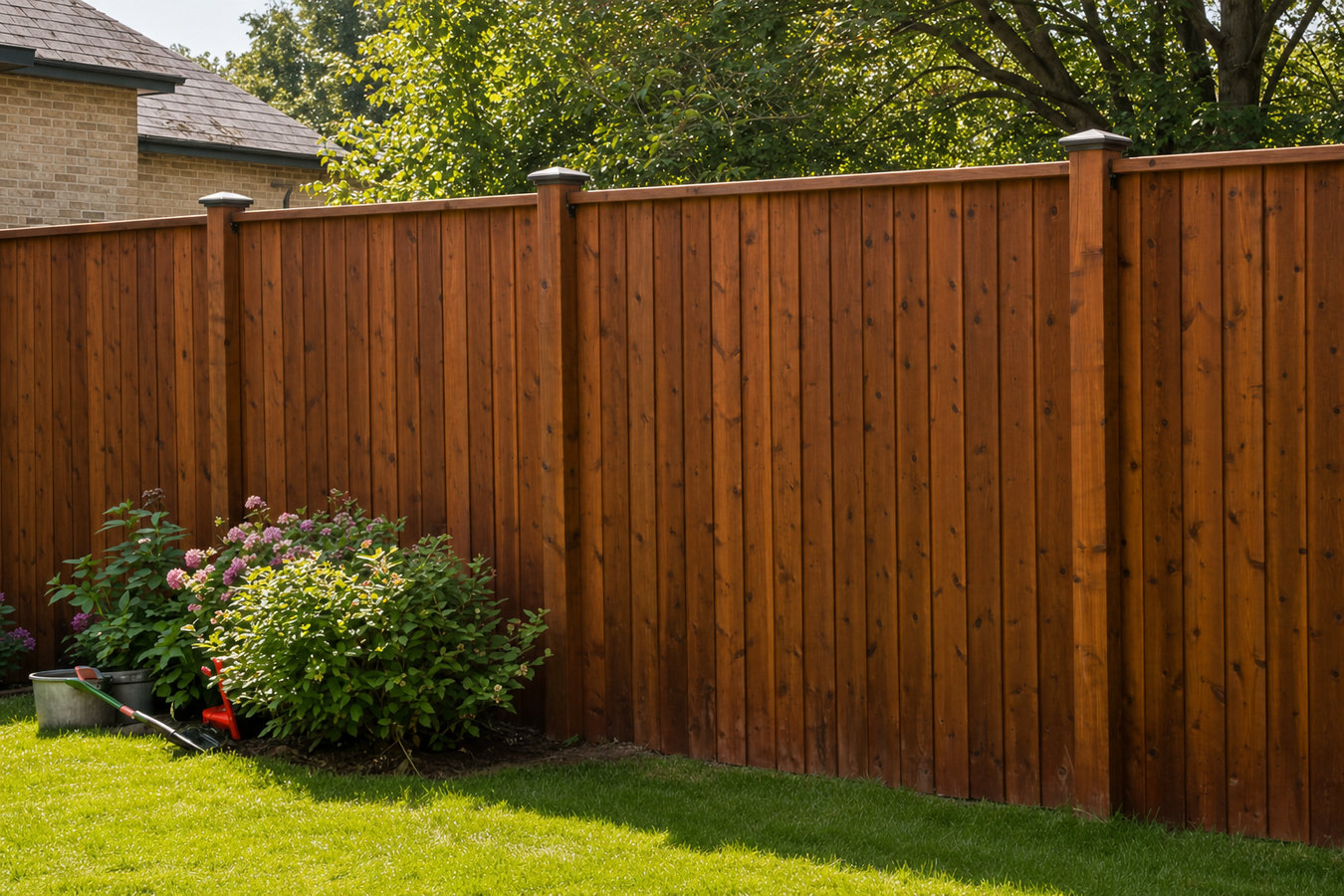
Wood and privacy fence installation in Port Arthur, TX starts with setting posts in concrete - deeper than standard because of Jefferson County clay soil - then attaching horizontal rails and vertical boards to complete the fence, most residential projects take one to three days from first post to finished gate depending on total length.
Wood is still the most widely chosen fence material in Port Arthur because homeowners can paint or stain it to match their home, customize the height and board style, and get a solid privacy barrier at a lower upfront cost than vinyl or metal. The challenge in this market is longevity - Port Arthur's year-round humidity and salt air off the Gulf are genuinely hard on wood that is not properly treated and sealed. The wood your contractor specifies and how well the posts are anchored in the clay soil are the two things that most determine whether your fence lasts 15 years or 5. If you are weighing wood against a lower-maintenance option, our vinyl fence installation service covers the comparison in detail.
The City of Port Arthur requires a building permit for most fence installations. We handle the application as part of every project - confirming your property lines and submitting the required site plan before any digging begins.
Stand at one end of your fence and give a post a firm push. If it moves more than an inch or rocks back and forth, the base has failed - either the concrete has cracked, the post has rotted at the ground line, or the soil has shifted. In Port Arthur's clay-heavy soil, this kind of movement is common in fences more than ten years old, and it gets worse quickly once it starts.
Run your hand along the lower six inches of your fence boards. If the wood feels spongy, looks dark and wet on a dry day, or crumbles when pressed, rot has set in. This is especially common in Port Arthur because moisture collects at the base of boards after heavy rain - a problem made worse if the fence line has poor drainage or sits in standing water after storms.
If a hurricane, tropical storm, or strong Gulf squall has knocked sections down or left your fence visibly out of alignment, that damage rarely fixes itself. A fence that survived a storm but is now leaning has likely lost structural integrity in the posts or rails, and the next storm will finish the job. Spring is the best time to rebuild - before the next season starts.
A wood fence that has never been stained, sealed, or painted in a Gulf Coast climate has been fighting moisture and UV exposure without protection for its entire life. Even if it looks okay from a distance, the wood is likely brittle, the fasteners are probably rusting, and the posts may be compromised below the soil line where you cannot see them. At that age in this climate, replacement is almost always more cost-effective than repair.
We install wood fences for residential properties throughout Port Arthur and Jefferson County - privacy panels, picket fences, and custom board styles in pressure-treated pine, cedar, or other exterior-grade lumber specified for Southeast Texas conditions. Every installation starts with confirming property boundaries, pulling the required permit, and a site visit to assess soil and drainage conditions before the first post hole is dug. Posts are set to a depth and concrete volume suited to local clay soil movement and the wind loads that come with Gulf Coast storm seasons. Gates are built with diagonal bracing so they stay square and do not sag after the first year of use. Our screened-in porch and screened deck service is a natural addition for homeowners who want to enclose outdoor living space at the same time.
We also handle removal and disposal of an existing fence when you are replacing rather than building new. After installation, we will tell you exactly when the wood is ready for its first coat of stain or sealant - an important step in Port Arthur's climate that should not be skipped. The Texas A&M AgriLife Extension recommends sealing exterior wood every two to three years in high-humidity climates - we can advise on the right product and timing for Port Arthur's conditions.
Best for homeowners who want a solid, rot-resistant barrier at the most practical price point for Southeast Texas - the most widely used wood choice in Port Arthur because of its treatment against moisture and insects.
Right for homeowners who want wood with natural rot-resistance and a warmer appearance - cedar costs more than pressure-treated pine but has natural oils that hold up well in coastal humidity when sealed regularly.
Suited for front yards or boundary marking where a partial barrier is enough - a classic look that can be painted any color and customized with decorative post caps.
For homeowners replacing an existing fence - we handle full removal of the old fence, proper disposal, and a new installation with materials and post depth matched to current local conditions.
Port Arthur's Gulf Coast location creates two specific challenges for wood fences that do not exist in the same way inland. First, the humidity and salt air off Sabine Lake and the Gulf of Mexico accelerate wood decay significantly compared to drier Texas cities. Untreated or poorly sealed boards can begin to soften within a few years in this environment. Pressure-treated lumber rated for ground contact is the baseline requirement for posts, and exterior-grade sealant applied every two to three years is what keeps the above-ground boards in good condition. The American Fence Association recommends specifying wood type and treatment to the climate, which in Jefferson County means prioritizing moisture resistance over appearance or cost. Second, the heavy clay soil throughout the county means posts set at a standard depth will eventually heave or shift as the ground expands and contracts with rainfall.
We serve homeowners throughout Southeast Texas, including Nederland, TX and Port Neches, TX, where the same soil and humidity conditions apply. Many neighborhoods in the Mid-County area also have HOA rules that govern fence height, material, and style - we check those requirements during the estimate process so materials are specified correctly from the start. Hurricane season runs June through November, and Port Arthur has been directly impacted by major storms in recent years. Many homeowners schedule wood fence installations in the spring to have a properly anchored fence in place before storm season begins.
We ask about the fence length, your preferred wood and style, and whether you have HOA requirements or know where your property lines are. You do not need all the answers ready - we help you work through the unknowns. We reply within one business day.
We walk your fence line, measure the total run, and look at soil conditions and any obstacles like trees or utility lines. You get a written quote covering materials, labor, permit fees, and gate costs - no add-ons after the work has already started.
Before any digging starts, we confirm your property boundaries and submit the permit application to the City of Port Arthur. This step protects you from building in the wrong place or without city approval - both of which can require expensive corrections after the fact.
The crew sets posts in concrete on day one - the most critical part of any fence. After the concrete cures, rails and boards go up. A full residential installation is typically done in two to three days. We clean up the site and walk the finished fence with you before leaving.
No pressure - just a straightforward conversation about your property, your material options, and what a proper installation actually costs. We reply within one business day.
(409) 217-6028We use pressure-treated lumber rated for ground contact and exterior-grade fasteners that will not rust and stain your boards in Port Arthur's humid conditions. Cheap materials and skipped sealant coats are what cause Gulf Coast wood fences to fail in five years instead of fifteen.
Jefferson County's heavy clay soil expands and contracts with the wet and dry seasons, and Gulf Coast storm winds put real load on fence posts. We set posts deeper and with higher concrete volume than standard - because that is what this environment demands, not a premium upsell.
We handle the City of Port Arthur building permit as part of every installation. A permitted fence is legally documented, inspected by the city, and will not create a removal order or title issue when you sell your home. If a contractor wants to skip this step, that tells you something important about how they work.
We have been building fences in Port Arthur and Jefferson County long enough to know local soil conditions, HOA requirements, and what storm seasons actually do to a fence that was not built right. That experience shows in how we specify materials and set every post.
The right wood, the right post depth, a pulled permit, and years of local experience - those four things together are what make a wood fence an investment rather than a maintenance problem. Call or submit a request and we will give you a clear picture of what your project involves before you commit to anything.
Add a screened enclosure to your outdoor space to keep insects and weather out while keeping the open-air feel - a popular project for Port Arthur homes that already have or are adding a privacy fence.
Learn MoreCompare wood against a lower-maintenance PVC alternative - vinyl never needs painting, does not rot in coastal humidity, and carries a similar installation process with the same post-depth requirements for this area.
Learn MorePosts need to be properly set and cured well before tropical storm season - reach out now so we can plan, permit, and build your fence while there is still time to do it right.